


- لیست موضوعات
- صنعت نفت، گاز، پتروشیمی و انرژی
- صنعت و تجارت
- سلامت، پزشکی و زیبایی
- خودرو و حمل و نقل
- معماری ساختمان و سازه
- صنایع دستی و اشیا عتیقه
- فناوری اطلاعات و ارتباطات
- محیط زیست
- صنایع غذایی
- معدن و فلزات
- ورزشی
- پوشاک, مد و لوازم جانبی
- آموزشی و پژوهشی
- مدیریت و خدمات شهری
- چوب, کاغذ و صنایع وابسته
- لوازم خانگی و الکترونیک
- نوآوری و فناوری های جدید
- کشاورزی، باغبانی و دامپروری
- هتل و هتلداری, تجهیزات رستوران و فروشگاه
- لوازم اداری, تجاری و نوشت افزار
- اختراعات, تکنولوژی های جدید
- موسیقی و آلات موسیقی
- دخانیات، توتون و تنباکو
- صنعت سرگرمی و بازی
- سفر و گردشگری
- فناوری مالی و بانکداری
- لیست کشور ها
 نمایشگاه های کشور امارات
 نمایشگاه های کشور المان
 نمایشگاه های کشور پاکستان










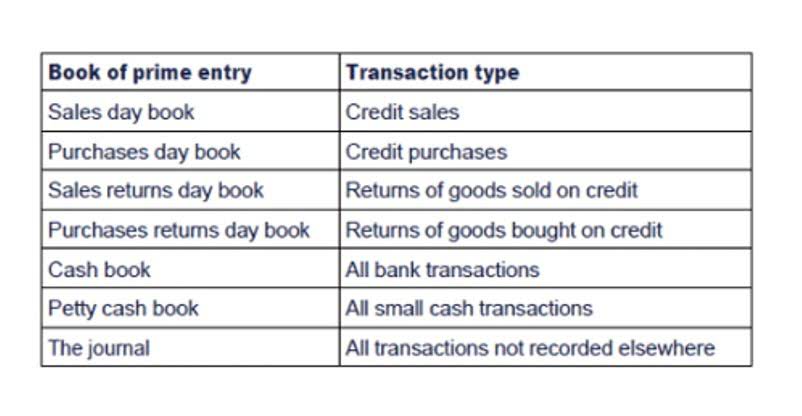
The genius of double-entry is that financial records are kept in account pairs of debit and credit. The value on a debit account must always tally with the value on the corresponding credit account. So, if you’d like to learn more about how blockchain and other emergent tech can improve your business and working life, then consider joining our dynamic global network today. In layman’s terms, a blockchain is best described as a secure and linked network database used to store large collections of information.
Blockchain Tech Trends: How to Stay Ahead of the Curve
As with any new technology, CPAs will need to acquire new technical skills to process, review, and audit transactions in a blockchain, the details of which will depend upon the services provided. Transactions take time to process and cost money; they are not validated by all parties due to limited network participation, and they are prone to error and vulnerable to hacking. To process transactions in blockchain accounting a traditional network structure also requires technical skills. Accountants can also work as advisers to companies considering joining blockchains themselves, providing advice on weighing the costs and advantages of the new system.
- Agilie is a European IT outsourcing organization that crafts from scratch and optimizes software solutions that align with our clients’ boldest ideas.
- Blockchain could help accountants gain clarity over the available resources and obligations of their organisations, and also free up resources to concentrate on planning and valuation, rather than recordkeeping.
- Consequently, blockchain provides a robust defense against cyber threats and data breaches.
- This automation streamlines processes, minimizes human errors, and accelerates financial reporting, allowing accountants and auditors to focus on higher-level tasks.
- Failure to do so could result in significant legal and financial repercussions.
How does blockchain simplify the audit process?
- Since all participants in a blockchain network have access to the same data, it simplifies reconciliation and promotes a unified view of financial records.
- This chain is distributed across a network, meaning no single entity controls the information.
- If the technology holds promise for your client base, it could be worth exploring blockchain tool demos and integrating them with your existing accounting software.
- Connect 3000+ apps to the public blockchain to store, share and authenticate information.
- With the introduction of digital payments came digital receipts, which are easier to tamper.
- For example,a fraudster can pose as an organization’s supplierand send an invoice with its own account number tothe organization.
For accountants, this means that audits can be performed more efficiently and with greater confidence in the accuracy of the data. Each transaction is secured by a cryptographic hash, which is a unique identifier that links it to the previous transaction. It’s important to remember that integrating blockchain is not just about technology; it’s about people. Investing in training and development will help your team embrace the change and unlock the full potential of blockchain in accounting. It’s not just about making things digital; it’s about making them fundamentally different.
1 Inefficiencies in Record-Keeping
But from another viewpoint, accountants must now be more technologically sound to operate blockchain technology efficiently. Also, they must be extra cautious in auditing and verifying every transaction recorded on the block. Blockchain accounting is extremely useful for every kind of business, whether large or small. With blockchain accounting, organizations can effectively execute the double entry system for recording accounting Opening Entry transactions. Moreover, the transparency aspect in the process is elevated with the introduction of blockchain technology in accounting, as the transaction, once recorded, cannot be altered at any cost.

- One of the major barriers to widespread blockchain adoption in accounting is the lack of standardization across jurisdictions.
- Using blockchain in accounting can lead to better transparency, more trust, and faster audits.
- These contracts automatically enforce and verify the terms of an agreement, reducing the need for intermediaries and minimizing the risk of human error or intentional manipulation.
- With accounting systems on the blockchain, artificial intelligence (AI), and automated processes, it is possible to cut down costs such as what is needed to reconcile records and auditing.
For instance, when a supplier ships goods worth $2 million, the blockchain automatically logs the shipment details, such as date, quantity, and value. Some blockchain networks, particularly those that use proof-of-work consensus mechanisms, can be energy intensive. This raises concerns about sustainability and the environmental impact of implementing blockchain solutions.
Blockchain Accounting – Guide & Use Cases
Each transaction is encrypted and linked to the previous one, creating a chain that is nearly impossible to alter without detection. This immutable ledger ensures that financial records are tamper-proof and verifiable. Blockchain lets companies offer real-time auditing, which greatly improves financial transparency.
1.1 PricewaterhouseCoopers (PwC): intelligent audit platform and AI synergy
Transactions are encrypted, time-stamped, and verified by consensus among participants. This eliminates the need for intermediaries to validate transactions, reducing the chances of errors and fraud. Auditors can trust the accuracy and legitimacy of transactions, which leads to more reliable financial reporting and auditing processes. The transparency of blockchain ensures that every participant can access the same transaction history, eliminating the need for reconciliation between parties.

What Does it Mean for the Accounting Profession?
Blockchain lets everyone involved see the same information at Certified Public Accountant the same time. This means no one can hide or change the data without everyone noticing, making financial reporting more honest. In the context of accounting, if an individual or organisation breaks the law by committing some kind of financial fraud, they are not automatically caught — at least in most jurisdictions. Let’s paint an even more detailed picture by going over some of the additional strengths and benefits of our approach where blockchain works hand-in-hand with existing accounting software.
Statutory regulated services overseen by ICAEW
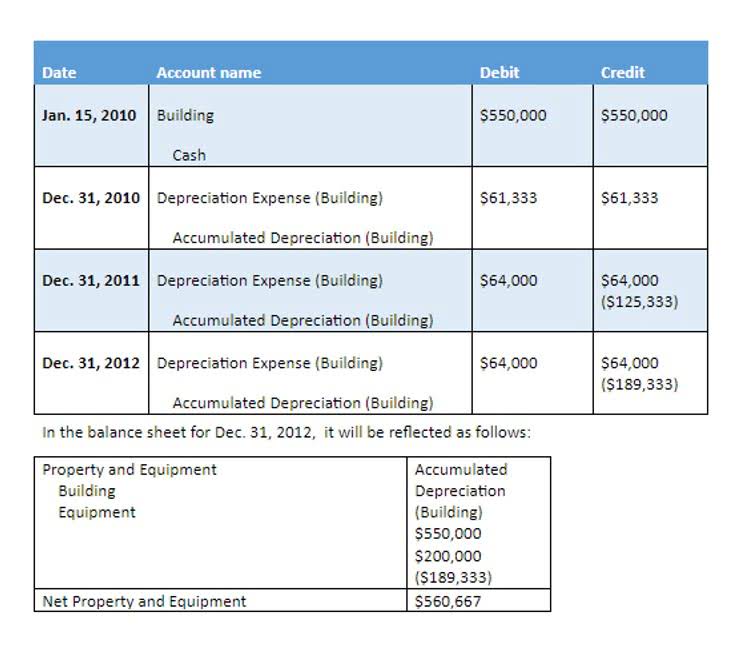
While there are existing relevant filing regulations, the regulatory regime tailored explicitly for blockchain-based auditing remains underdeveloped (Sun, 2022; Li and Wang, 2023). Each account in the double-entry system will have a corresponding blockchain account. Basically, when a company purchases inventory from a supplier on account, a journal entry debiting inventory and crediting accounts payable for “X” amount is entered in the ERP system.

Another concern is the risk of 51% attacks, where if a single entity gains control of the majority of the network’s computing power, they can manipulate transactions. This could lead to double-spending and other fraudulent activities, undermining the integrity of the blockchain. While blockchain is inherently secure, the endpoints where data is entered or accessed can be weak points. Traditional record-keeping in accounting often involves multiple layers of documentation and verification, which can be time-consuming and prone to human error. Manual processes increase the risk of data entry mistakes, leading to discrepancies that require additional time to resolve. These inefficiencies can cause delays in financial reporting and decision-making.