


- لیست موضوعات
- صنعت نفت، گاز، پتروشیمی و انرژی
- صنعت و تجارت
- سلامت، پزشکی و زیبایی
- خودرو و حمل و نقل
- معماری ساختمان و سازه
- صنایع دستی و اشیا عتیقه
- فناوری اطلاعات و ارتباطات
- محیط زیست
- صنایع غذایی
- معدن و فلزات
- ورزشی
- پوشاک, مد و لوازم جانبی
- آموزشی و پژوهشی
- مدیریت و خدمات شهری
- چوب, کاغذ و صنایع وابسته
- لوازم خانگی و الکترونیک
- نوآوری و فناوری های جدید
- کشاورزی، باغبانی و دامپروری
- هتل و هتلداری, تجهیزات رستوران و فروشگاه
- لوازم اداری, تجاری و نوشت افزار
- اختراعات, تکنولوژی های جدید
- موسیقی و آلات موسیقی
- دخانیات، توتون و تنباکو
- صنعت سرگرمی و بازی
- سفر و گردشگری
- فناوری مالی و بانکداری
- لیست کشور ها
 نمایشگاه های کشور امارات
 نمایشگاه های کشور المان
 نمایشگاه های کشور پاکستان









Whoa! This is one of those tech topics that sounds boring until you start using it. My first impression was simple: fast is better. Then my instinct said, hmm… somethin’ felt off about the onboarding flow. Actually, wait—let me rephrase that: speed is great, but UX and safety matter more than raw milliseconds when you hold valuable NFTs.
Really? Okay, hear me out. Phantom on Solana often feels instant because of the chain’s low-fee, high-throughput design. On one hand that makes NFT trades and transfers feel effortless, though actually there are trade-offs around decentralization and tooling maturity. Initially I thought wallet choice was only about UI, but then I realized extensions, mobile sync, and third-party integrations shape daily risk and convenience.
Here’s the thing. Setting up a browser extension wallet is a mix of thrill and tiny dread. I’m biased, but I prefer extensions for quick dApp interactions because they sit right in your browser; mobile apps are great for on-the-go, though extensions win for desktop workflows. Onboarding is the first real test—seed phrase generation, backup reminders, and permission prompts quickly reveal a wallet’s priorities.
Wow! Phantom nails many of those early steps. The flow is clean and concise, with helpful microcopy nudging you to save your recovery phrase. My instinct said “this is polished,” and that gut feeling held true after a few months of use. But here’s what bugs me about some wallet prompts: they sometimes make trust assumptions that users won’t question, and that can be risky.
Seriously? Yes. Permission dialogs can be confusing. A dApp asking to “connect” might also request signing rights or token approvals, and users often click through. On the other hand, Phantom surfaces transaction details clearly most of the time, though advanced approvals still require careful reading and sometimes external verification tools.
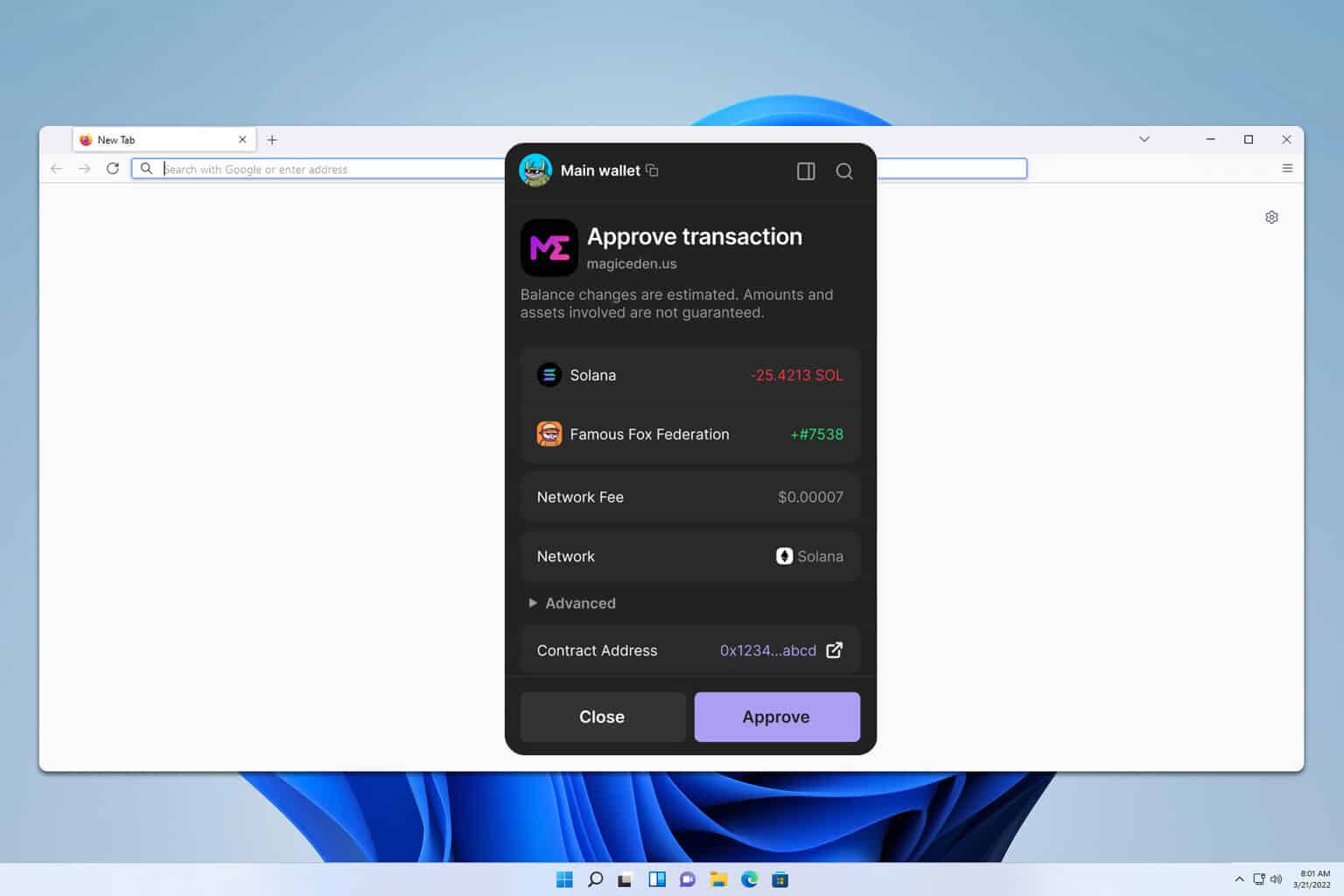
What makes Phantom a go-to NFT wallet on Solana
Okay, so check this out—Solana’s architecture is central to the experience. Transactions are cheap and fast, which makes minting, flipping, and transferring NFTs feel frictionless. That technical advantage translates directly to user satisfaction, especially during drops where speed matters a lot. On a logical level, the wallet’s integration with Solana programs and SPL tokens is tight, which reduces weird edge-case errors you might see on less mature stack combinations.
I’m not 100% sure about everything under the hood. For example, while Phantom abstracts many complexities, the way it handles token metadata fetching and caching can sometimes lag during high-load events. Initially I thought slowness was network-related, but then I traced a few hiccups to how the extension queries third-party indexers. There’s a cascade effect: slow indexer → delayed asset rendering → frustrated user.
Hmm… like, this matters for collectors. Seeing your NFTs instantly builds trust. If images and metadata appear reliably, users feel in control. If not, they second-guess transactions and may leave a sale unfinished. On top of that, Phantom’s open-source bits and community-driven support help; though actually, some core components aren’t fully auditable by casual users, and that uncertainty can bug privacy-minded folks.
Whoa! Security rhythms are different with browser extensions than mobile apps. Extensions expose browser-based attack surfaces—malicious tabs, clipboard scrapers, or rogue extensions. At the same time, hardware wallet support and clear signing prompts substantially reduce risk, and Phantom supports Ledger and similar devices which is a huge plus. If you store high-value NFTs, pairing Phantom with a hardware key is a good routine.
Here’s what I do when assessing a wallet’s safety. First, I check default permissions and whether the wallet requests more than it needs. Second, I look for easy-to-use recovery and lockdown features so a lost machine doesn’t mean lost assets. Third, I test cross-device sync, because I want quick access but not without safeguards. On one hand it’s about convenience; though actually it’s mostly about reducing opportunities for user error.
Everyday tips for using Phantom with NFTs
Quick wins: keep your recovery phrase offline and never paste it into a website. Seriously, never paste it into a chat or a form. Use hardware wallets for collections you can’t afford to lose. Also, learn to recognize smart contract approvals; if a dApp asks for blanket permission to spend tokens, pause and review.
I’m biased toward small rituals. I open Phantom, check pending approvals, and confirm transaction origins before signing. Initially this felt like overkill, but then I caught a suspicious approval that would have allowed an automated drain if I had ignored it. That small habit saved me time, money, and a lot of regret.
Also, use the network explorers and collection pages to verify metadata ownership when possible. Phantom links and built-in tools help but sometimes you may want to cross-check with Solana-specific explorers. I’m not saying everything is foolproof—bugs happen and indexers go down—but multiple checks reduce surprises.
Common questions people ask about Phantom and Solana NFTs
Is Phantom safe for storing NFTs?
Yes, generally. Phantom provides solid UX and supports hardware wallets, which are the safest option for high-value assets. However, browser extensions carry attack surfaces, so follow good practices: keep software updated, limit permissions, and verify transaction requests before signing.
Can I use Phantom on mobile and desktop?
Phantom offers both mobile and extension experiences that sync via secure recovery or optional cloud features; the desktop extension is preferred for interacting with many dApps. If you want to try the extension, search for the authentic phantom download page rather than random links—here’s a direct place you can start: phantom.
What should I do if a dApp asks for unlimited approvals?
Don’t approve unlimited spending unless you completely trust the contract and its team. Revoke approvals periodically and use limited approvals when possible. If you’re unsure, asking in the community or checking contract audits can help, though audits aren’t a guarantee.
I’m often torn about trade-offs. On one hand, Phantom simplifies NFT management wonderfully and gives collectors a lot of power. On the other hand, the combination of browser extension surface area and evolving dApp practices means you can’t be complacent. My working advice: be curious, be cautious, and build small routines that protect you without making the experience miserable.
Okay, so a quick parting thought—if you’re new, take it slow. Try small transactions first. Trust your gut, but then verify with a little analysis. This technology is exciting and messy, and I’m excited to keep using it even while some things still bug me…